SmartCity

emmanuel montilla

Agreement signed with the Fundación Metropolitana in Buenos Aires

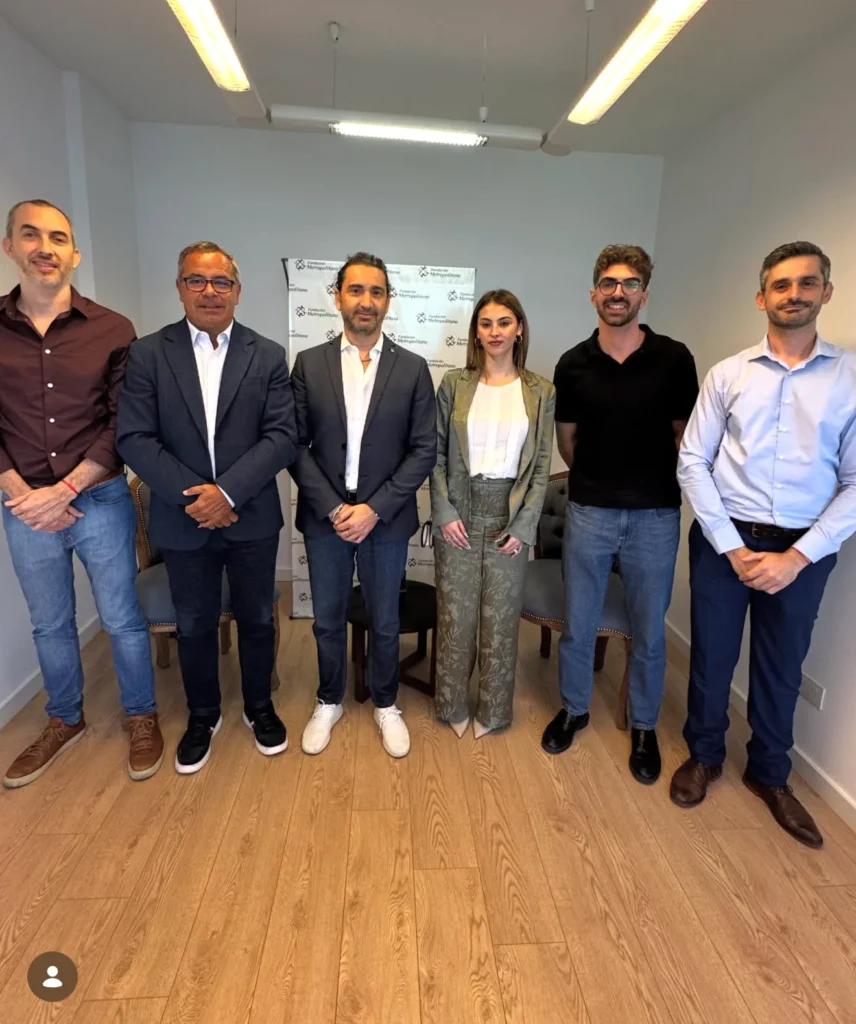
A new bridge between Argentina and Italy has been built in Buenos Aires, where the Fundación Metropolitana and Smart City Instruments have signed a collaboration agreement to develop joint projects in the field of public policy and urban innovation.The signing was attended by the CEO of Smart City Instruments, Alfredo Sguglio, the president of the Fundación Metropolitana, Gastón Urquiza, the Director of Projects, Nazareno La Gamba, and the Director of the Public Policy Observatory, Facundo Villar. The aim of the agreement is to promote digital and methodological solutions to address the challenges of urban management, with an approach focused on sustainability and quality of life in the cities of the future.Also present were Noemi Lomanno and Salvatore Bellantoni, the two scholarship winners of the project: Culture Innovation Internationalization for Sustainable Development, organized by the Eccedenze Creative association, the SCI spin-off, and the Department of Mechanical, Energy, and Management Engineering (DIMEG) and promoted by the Calabria Region. The agreement marks a new step towards a transnational collaboration network involving universities, institutions, and businesses, with the aim of building increasingly smart, inclusive, and sustainable cities.

Agreement signed with the Fundación Metropolitana in Buenos Aires Read Post »
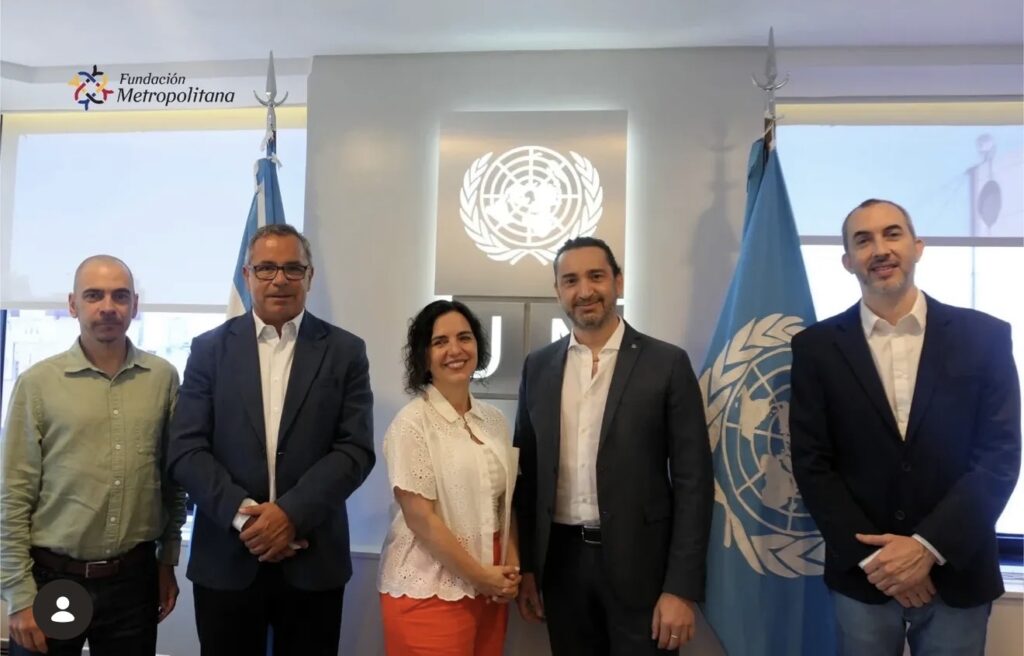
Meeting at the United Nations in Argentina

During its long mission in South America, the Unical spin-off SCI had the opportunity to visit the headquarters of the United Nations Development Programme (UNDP) in Buenos Aires, participating in a day of discussion dedicated to the exchange of visions, experiences, and projects on sustainable urban management. The meeting provided an opportunity for collective reflection on the synergy between metropolitan planning, the global sustainability agenda, and technological innovation applied to city management. Participants included Gastón Urquiza, president of Fundación Metropolitana, Facundo Villar, director of the Public Policy Observatory, María Eugenia Di Paola, program coordinator for UNDP Argentina, Matías Mottet, head of the Environment and Sustainable Development area at UNDP, and Alfredo Sguglio, CEO and director of Smart City Instruments. During the day, representatives from the three organizations discussed the importance of ongoing dialogue between the third sector, international organizations, and technological innovation, which is considered essential for designing more efficient, inclusive, and sustainable cities.

Meeting at the United Nations in Argentina Read Post »

Meeting with the Ministry of Transport of the Province of Buenos Aires

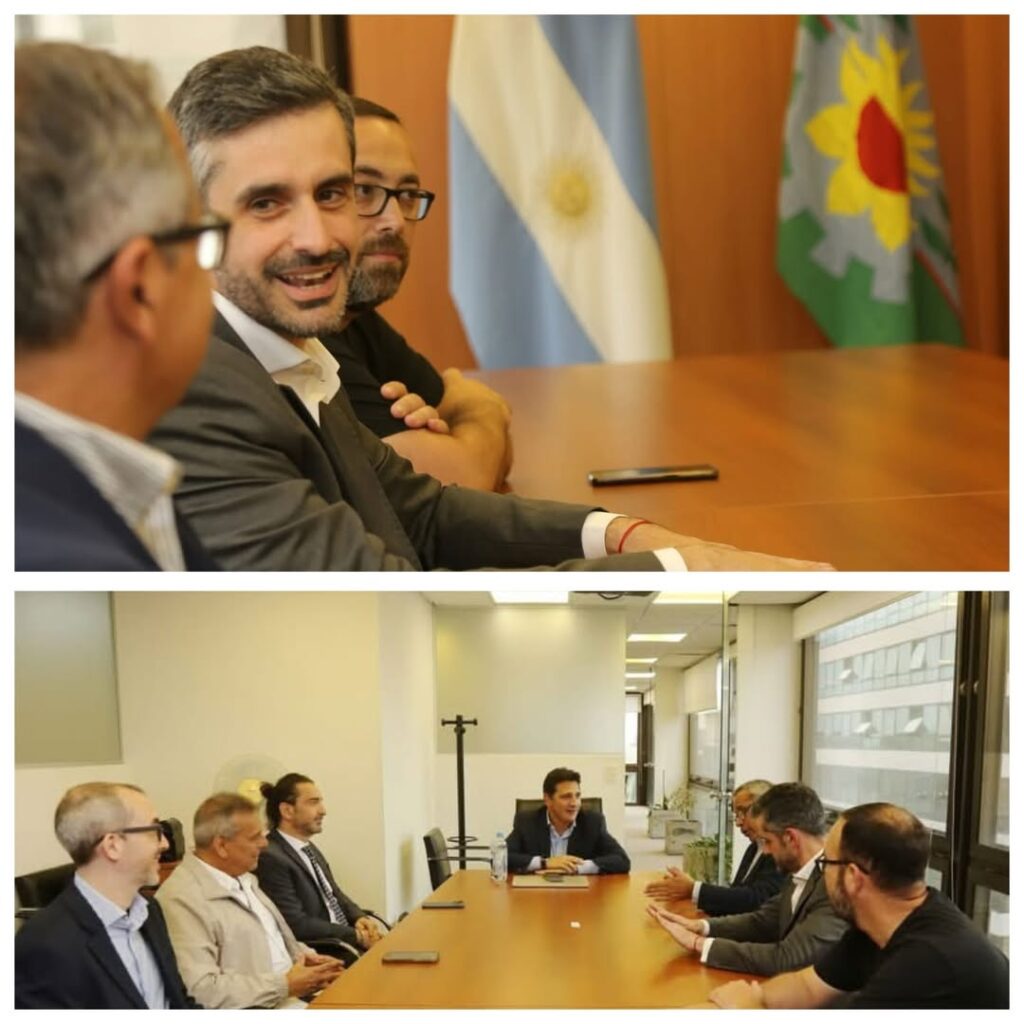
An important working meeting was held at the Ministry of Transport of the Province of Buenos Aires, attended by Minister Martín Marinucci and Undersecretary Damián Contreras, together with representatives from Smart City Instruments and Fundación Metropolitana. The meeting brought together experts and institutions committed to promoting smart territories, sustainable mobility, and technological innovation in urban management. Smart City Instruments, a technology spin-off of the University of Calabria specializing in smart cities, was represented by CEO Alfredo Sguglio. The Fundación Metropolitana was represented by its president, Gastón Urquiza, and Facundo Villar, director of the Public Policy Observatory. During the meeting, possible collaborations were discussed for the adoption of digital and sustainable solutions in public transport and land-use planning in Buenos Aires, with the aim of improving urban efficiency and promoting more accessible and environmentally friendly mobility. This initiative is part of a process of international cooperation between Argentina and Italy, aimed at sharing knowledge and innovative tools for the transformation of the cities of the future.

Meeting with the Ministry of Transport of the Province of Buenos Aires Read Post »

Smart City Instruments leads an important United Nations project presented at COP 30 in Brazil

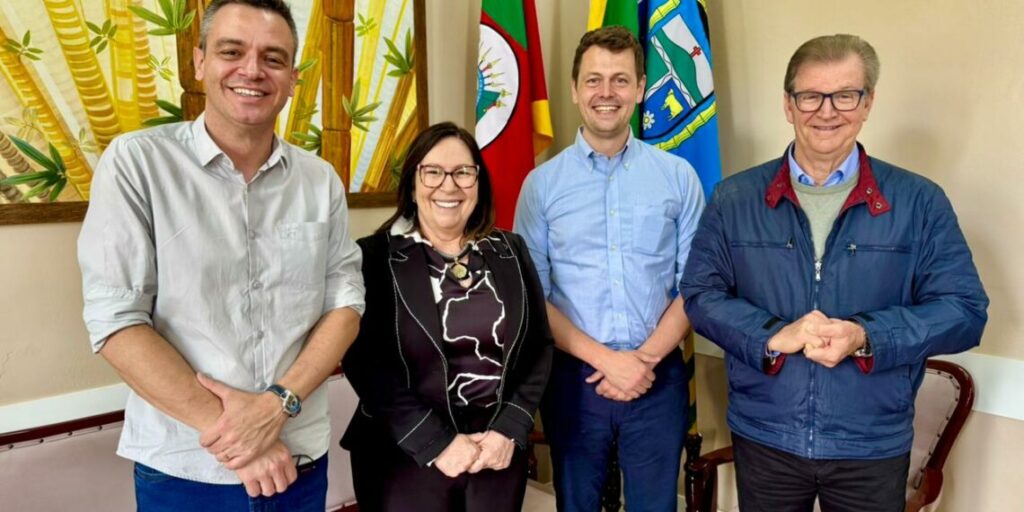
At the COP30 summit in Belém on November 19, the second phase of the international Digital Demand-Driven Electricity Networks (3DEN) initiative was announced. The initiative is promoted by the United Nations Environment Programme (UNEP, the UN agency for the environment) in collaboration with the International Energy Agency and supported by the Italian Ministry of the Environment and Energy Security. Phase II will fund 14 pilot projects in eight countries—Brazil, South Africa, Morocco, Tunisia, Kenya, Nigeria, Ethiopia, and Tanzania—for an investment of €23 million, with the aim of accelerating the digitization of energy and agri-food systems, increasing their flexibility and resilience, and expanding access to clean and affordable energy. In this context, Italy is playing a leading role in Brazil thanks to the VERDE (Vital Energy for Resilient Digital Ecosystem) project, selected among the winning initiatives of 3DEN Phase II. The project will be implemented in the municipality of Taquara, in the state of Rio Grande do Sul, and is designed and led by the spin-off Unical Smart City Instruments (SCI), in partnership with the University of Calabria (Department of Mechanical, Energy and Management Engineering), the University of Cagliari (Department of Mechanical, Chemistry and Materials), the spin-off UNICAL R&DCal, Universidade FACCAT, the Municipality of Taquara, the technology company Pináculo, and the electricity distributor RGE. VERDE is designed as an urban-scale digital energy ecosystem, based on the creation of an energy community involving households, educational institutions, healthcare services, and third sector organizations. The project integrates production from renewable sources, digital tools for monitoring and managing consumption, and a training and participation program aimed at the local population, with a particular focus on the most vulnerable contexts. The vision is that of a city that manages energy in a shared way, reduces its dependence on centralized systems, and strengthens its ability to respond to climate and economic crises, while engaging in dialogue with peri-urban and rural areas.

Smart City Instruments leads an important United Nations project presented at COP 30 in Brazil Read Post »

Scroll to Top